Science & Nature @ScienceIsNew
Exploring the cosmos, decoding science, and sparking wonder - one post at a time. 🚀🔭 charmingscience.com New York, USA Joined April 2019-
Tweets737
-
Followers74K
-
Following11
-
Likes16K
Commercial health insurance plans routinely promise policyholders access to broad networks of mental health professionals, yet a landmark study published in JAMA Health Forum reveals that most of these listed doctors and therapists are nearly impossible to reach. Researchers from The Ohio State University and Stanford University investigated these ghost networks, where insurance directories are filled with outdated or phantom listings that leave insured patients stranded when seeking help. Posing as everyday patients seeking care for anxiety and grief, the research team placed 5,822 phone calls to in-network psychiatrists and psychologists across five states. More than 61 percent of those calls never reached a human being, ending instead at unanswered voicemails or automated phone trees. Across all 5,822 attempts, only 9 percent resulted in an appointment with the listed provider, rising to just 12 percent when callers agreed to see a different clinician at the same clinic. Even when a live person answered the phone, 56 percent of those conversations revealed inaccurate directory details, such as disconnected numbers, providers who had moved away, or offices that no longer accepted the insurance plan, while another 22 percent failed because clinicians had full caseloads. The few callers who managed to book a session still faced an average wait of 20.5 days. For someone already struggling with anxiety or depression, dialing dozens of dead-end numbers often forces them to pay steep out-of-pocket costs or give up on care altogether, highlighting an urgent need for strict regulatory audits and a centralized, up-to-date national provider directory. Publication: Haeder S, Lou Y, Xu W, Miller BF. Mental Health Ghost Networks in Commercial Insurance Plans. JAMA Health Forum. 2026;7(10):e263746. DOI: 10.1001/jamahealthforum.2026.3746

Commercial health insurance plans routinely promise policyholders access to broad networks of mental health professionals, yet a landmark study published in JAMA Health Forum reveals that most of these listed doctors and therapists are nearly impossible to reach. Researchers from The Ohio State University and Stanford University investigated these ghost networks, where insurance directories are filled with outdated or phantom listings that leave insured patients stranded when seeking help. Posing as everyday patients seeking care for anxiety and grief, the research team placed 5,822 phone calls to in-network psychiatrists and psychologists across five states. More than 61 percent of those calls never reached a human being, ending instead at unanswered voicemails or automated phone trees. Across all 5,822 attempts, only 9 percent resulted in an appointment with the listed provider, rising to just 12 percent when callers agreed to see a different clinician at the same clinic. Even when a live person answered the phone, 56 percent of those conversations revealed inaccurate directory details, such as disconnected numbers, providers who had moved away, or offices that no longer accepted the insurance plan, while another 22 percent failed because clinicians had full caseloads. The few callers who managed to book a session still faced an average wait of 20.5 days. For someone already struggling with anxiety or depression, dialing dozens of dead-end numbers often forces them to pay steep out-of-pocket costs or give up on care altogether, highlighting an urgent need for strict regulatory audits and a centralized, up-to-date national provider directory. Publication: Haeder S, Lou Y, Xu W, Miller BF. Mental Health Ghost Networks in Commercial Insurance Plans. JAMA Health Forum. 2026;7(10):e263746. DOI: 10.1001/jamahealthforum.2026.3746

Scientists have engineered a new class of self-renewing immune cells capable of fueling a continuous fight against both blood cancers and dense solid tumors. While modern immunotherapy has transformed cancer care, solid tumors remain remarkably difficult to treat because they build physical and chemical barriers that block standard immune treatments. Researchers have long hoped to overcome this using macrophages, the immune system’s heavy-duty scavenger cells that naturally push into dense tissues and engulf threats whole. Turning fully grown macrophages into medicine, however, has proven nearly impossible because mature cells refuse to multiply in the laboratory, resist genetic upgrades, and quickly get trapped in filtering organs like the liver and lungs after being infused into a patient. A research team led by Qi-Long Ying at the University of Southern California, in collaboration with scientists at Stanford Medicine, bypassed this obstacle by looking earlier in the immune cell life cycle. Instead of struggling with fully grown macrophages, they targeted their immature parent cells, known as progenitors. By pinpointing a precise laboratory growth formula, the researchers discovered how to make these young parent cells multiply extensively in the lab while staying in their youthful, adaptable state. Because these young cells are easy to work with and can be frozen for long-term storage without losing their strength, they can be manufactured in large batches well in advance. Infusing these immature parent cells transforms a short-lived treatment into a lasting internal defense system. Once inside the body, the cells travel straight to the bone marrow, settle in, and continuously generate fresh waves of mature macrophages and infection-fighting white blood cells. To aim this living factory directly at cancer, the team equipped the parent cells with synthetic tracking sensors that act like a molecular GPS, locking onto specific proteins found on tumor surfaces. They also built in a signaling feature that acts like an immune flare, recruiting the body’s own surrounding scavenger cells and killer T cells to join the assault. In preclinical studies with mice, an infusion of these upgraded parent cells provided a steady supply of tumor-hunting macrophages that successfully suppressed both leukemia and solid breast tumors. Crucially, the treatment worked effectively even when the donor cells were not a genetic match to the recipient. Although human clinical trials are still required to ensure these self-renewing cells remain safe and controllable over the long term, the ability to mass-produce and freeze universal immune parent cells lays the foundation for off-the-shelf living medicines that could one day offer durable protection against hard-to-treat cancers and severe immune disorders. Article Reference: Shi Yue, Zheng Guo, Crystal Pan, et al., Qi-Long Ying. Expansion and CAR engineering of granulocyte-monocyte progenitors for cellular immunotherapy. Cell, 2026; 189 (17): 5378 DOI: 10.1016/j.cell.2026.05.043

Medications like Ozempic and Wegovy were originally developed to manage blood sugar and support weight loss, yet patients across the country are experiencing an unexpected benefit that goes far beyond the scale. According to a national survey published in JAMA Psychiatry, nearly half of the adults who begin taking GLP-1 medications naturally start drinking less alcohol. For years, doctors have heard anecdotal stories from patients who suddenly lost interest in their evening glass of wine or weekend cocktails after starting treatment. To find out how common this experience really is, researchers led by Lori Uscher-Pines surveyed more than 2,000 adults across the United States. They discovered that 44.2 percent of people who initiated a GLP-1 drug reduced their alcohol intake. Even more remarkably, among heavier drinkers whose habits put their health at risk, over half - 54.1 percent - reported cutting back after starting the medication. For many, this shift happened effortlessly, not through a struggle of willpower, but because the urge to drink simply faded away. The explanation for this phenomenon lies in the powerful connection between the gut and the brain. In addition to slowing down digestion and helping the body feel full after a meal, GLP-1 medications interact directly with the brain's reward center. This neural network uses a chemical messenger called dopamine to create feelings of pleasure and craving when we consume rich foods or alcohol. By turning down the volume on that reward signal, the medication makes alcohol feel less satisfying and quiets the craving before a person even reaches for a drink. Because these findings come from self-reported everyday experiences rather than a controlled laboratory test, scientists are now running rigorous clinical trials to see if these medications can be officially prescribed to treat alcohol use disorder. Still, this real-world evidence highlights just how deeply connected our appetite and addiction pathways truly are, showing how a breakthrough for metabolic health could also transform the way we understand and treat human cravings. Publication reference: Uscher-Pines L, Sousa J, Busch AB, et al. Patient-Reported Changes in Alcohol Use Following Glucagon-Like Peptide-1 Receptor Agonist Initiation. JAMA Psychiatry. Published online October 14, 2026. DOI: 10.1001/jamapsychiatry.2026.3242

Recent breakthroughs in medical research are offering renewed hope for patients facing one of the most challenging forms of breast cancer. Triple-negative breast cancer has historically been difficult to treat because it grows quickly and lacks the usual cellular targets that doctors rely on for traditional therapies. This aggressive nature often leads to the cancer spreading rapidly to other parts of the body, making the disease much harder to control and treat effectively. Scientists from Adelaide University and the Olivia Newton-John Cancer Research Institute have recently mapped the exact molecular network that acts as an accelerator for this rapid spread. By identifying a specific genetic imbalance that allows these cancer cells to migrate, researchers found a critical vulnerability. They discovered that this aggressive spreading can actually be intercepted using a class of targeted drugs known as CDK4/6 inhibitors, which are already safely used in treating other types of advanced breast cancer. Adding to this promising momentum, a separate research team at Oregon Health & Science University has developed a novel compound that attacks the cancer from a completely different angle. This new molecule targets a key enzyme that triple-negative breast cancer cells use to fuel their unusually high-energy metabolism. In early laboratory models, disabling this cellular power supply successfully shrank tumors and significantly slowed their ability to spread to other organs. The parallel development of these targeted strategies marks a profound shift in how the scientific community approaches aggressive tumors. By pinpointing the exact mechanisms that allow the cancer to both energize itself and migrate, researchers are paving the way for highly precise therapies. These discoveries represent a major step forward in creating specialized treatments that could dramatically improve long-term patient outcomes and turn the tide against this complex disease. Citation: Arnet, V.K. Johnstone, C.N. Redvers, R.P. et al. Metastasis of triple negative breast cancer is regulated by a targetable miR-342-E2F network. EMBO Mol Med (2026). DOI: 10.1038/s44321-026-00496-4

Medical researchers have uncovered a surprising new weapon against one of the most stubborn forms of lung cancer, and it comes from an ordinary pharmacy staple. An inexpensive, widely available medication traditionally used to treat parasitic worm infections is showing remarkable potential to strip away the defenses of drug-resistant tumors. This discovery offers a highly accessible way to give existing cancer treatments a powerful second life. A major challenge in modern oncology is that lung tumors often evolve to outsmart standard targeted therapies, allowing the disease to aggressively spread once again. However, a recent study published in PLoS One reveals that pairing a common deworming pill called mebendazole with these standard treatments creates a devastating dual attack. While resistant cancer cells can easily brush off the targeted cancer drug on its own, adding a small dose of the anti-parasitic medication causes their survival rate to plummet. This combination works by fundamentally destabilizing the internal physical scaffolding of the cancer cells. When the tumor attempts to divide and multiply while its core support system is collapsing, it suffers catastrophic DNA damage and essentially self-destructs. The dual therapy overwhelms the cancer's ability to cope with structural stress, effectively shutting down the disease's ability to replicate. Laboratory models have proven this approach to be both highly effective and incredibly gentle on the rest of the body. The combined treatment dramatically slowed tumor progression, quadrupling the time it takes for a mass to grow without causing harmful side effects to healthy tissues. By looking beyond traditional oncology drugs, scientists are finding innovative ways to turn everyday medications into potential breakthroughs for patients facing limited options. Journal Article: El-Tanani M, Satyam SM, Prabhakar S, El-Tanani Y, Safaii E, Rabbani SA, et al. (2026) Dual targeting of EGFR signaling and microtubule dynamics enhances replication-associated cellular stress and suppresses tumor growth in gefitinib-resistant non-small cell lung cancer. PLoS One 21(10): e0360164. DOI: 10.1371/journal.pone.0360164

For generations, science has painted menopause as a slow, gradual biological transition, but a groundbreaking new study reveals it is actually a sudden, systemic switch. By analyzing an unprecedented dataset of 300 million laboratory tests from over a million women, researchers have uncovered a steep physiological cliff that occurs precisely at the final menstrual period. Because medical records rarely track the exact date of this final cycle, the true timeline of these changes has long been hidden by the varying ages at which women experience them. To solve this, scientists borrowed complex mathematical frameworks from astronomy to filter out the noise and align the biological data perfectly. The reconstructed timeline shows that rather than a gentle decline, female physiology undergoes an abrupt multi-organ disruption. Critical systems governing bone density, liver function, kidney health, and blood fats shift dramatically all at once. Interestingly, the underlying biological groundwork for this sudden event begins quietly more than a decade before the final period even happens. When comparing the data, researchers found no such multi-organ drop in men of the same age, confirming this is a uniquely menopausal event. This new perspective fundamentally changes our understanding of human biology and the aging process. Viewing this transition as a sudden multi-system event highlights the profound potential of menopausal hormone therapy. The data clearly shows that hormone treatments significantly smooth out this biological cliff, offering crucial protection to multiple organ systems during a highly vulnerable window. This research not only rewrites the medical textbooks on menopause but also provides scientists with a powerful new computational tool to map other hidden biological transitions in the future. Research Paper: Pridham, G., Hayut, Y., Lavi-Shoseyov, N. et al. Population-scale reconstruction of menopause dynamics reveals a physiological cliff at the final menstrual period. Nat Med (2026). DOI: 10.1038/s41591-026-04614-0

The United States is currently experiencing a significant public health shift as confirmed measles cases have surged past 4,000 for the year 2026. This marks the highest number of infections recorded in the country since the early 1990s, highlighting the rapid spread of a highly contagious virus that was officially declared eliminated domestically in the year 2000. Public health data indicates that ninety-five percent of these recent cases are occurring in individuals who are either unvaccinated or whose vaccination status remains unknown. This resurgence is largely attributed to national immunization coverage dropping below the critical threshold required to maintain community-wide protection, leaving susceptible populations vulnerable to sudden outbreaks. Pennsylvania has emerged as the epicenter of this nationwide surge, reporting over a thousand confirmed cases and facing its most severe outbreak in thirty-five years. Lancaster County has been particularly impacted by the spread, with the state recording hundreds of hospitalizations and several associated fatalities affecting both infants and adults. Alongside Pennsylvania, areas in South Carolina, Texas, Ohio, and New York are also managing major clusters of the virus. The unprecedented scale of the current situation has prompted international health officials to schedule a review later this year to determine whether the United States will officially lose its long-held measles-elimination status. Because of the prolonged and widespread nature of the current spread, a regional verification commission is scheduled to meet in November 2026 to officially review whether the United States will be stripped of its long-held elimination status. Reversing this trend and protecting the most vulnerable populations will depend entirely on restoring and maintaining the high levels of immunization coverage that successfully kept the virus at bay for decades. Source: U.S. Centers for Disease Control and Prevention (CDC) — Measles Cases and Outbreaks

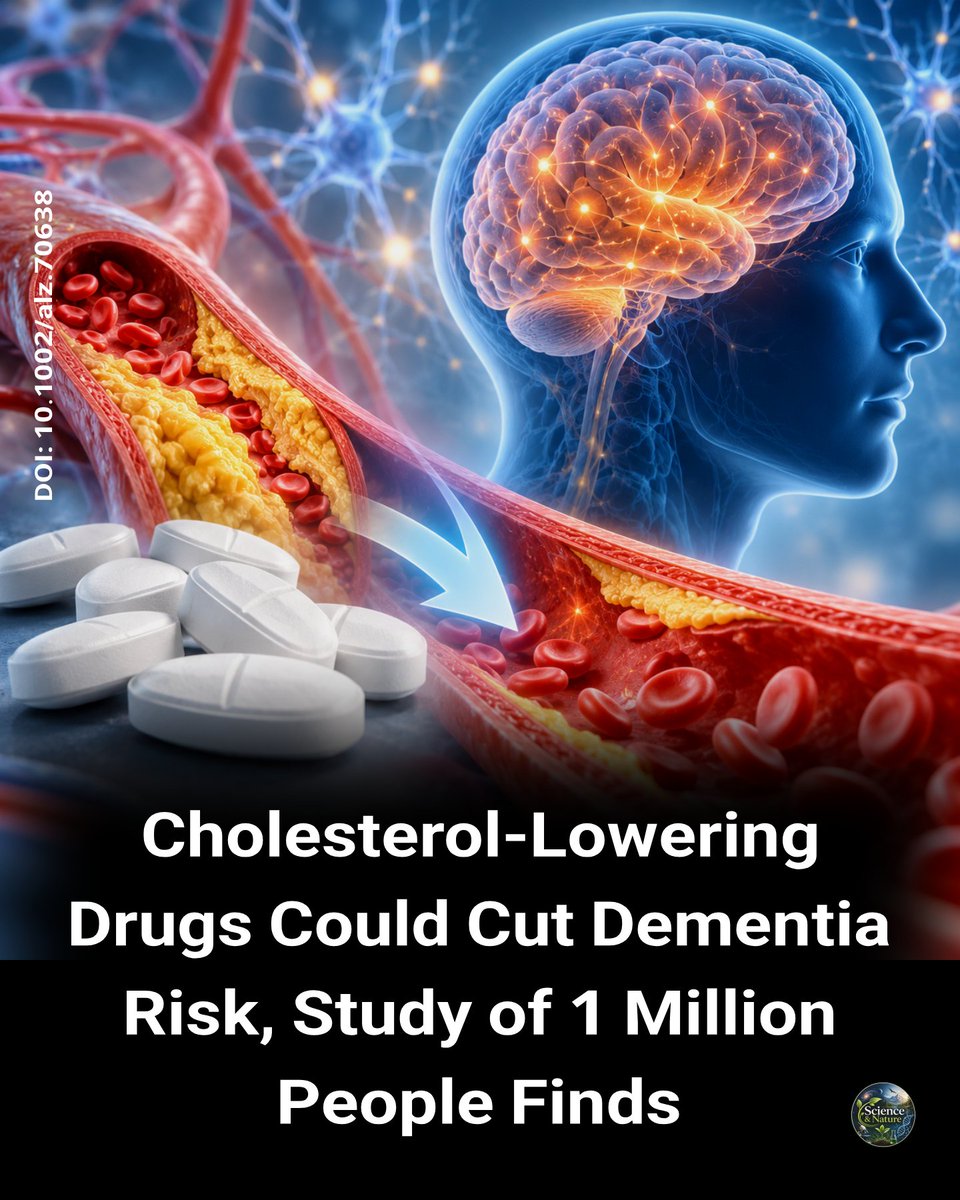
A massive new study involving over one million individuals has uncovered a powerful link between everyday heart health and long-term brain protection. Researchers have found that maintaining low cholesterol levels over a lifetime could significantly reduce the risk of developing dementia, offering a promising look at how preventative cardiovascular care doubles as cognitive armor. Scientists analyzed genetic data to understand how natural variations that mimic the effects of common cholesterol-lowering medications, such as statins, impact the brain. Because these genetic traits naturally keep non-HDL cholesterol low throughout a person's entire life, they provide a clear and uninterrupted picture of long-term health. The findings reveal that keeping cholesterol in check prevents the gradual buildup of blockages in the blood vessels that supply oxygen and vital nutrients to the brain, directly supporting neurological resilience. The magnitude of this protective effect is substantial and suggests that consistent cholesterol management starting in mid-life is a critical component of preserving memory and cognitive function. While short-term treatments in later years have sometimes shown mixed results, this expansive research highlights that early and sustained prevention is the true key to success. By taking proactive steps to manage cardiovascular health today, individuals are essentially building a strong, lifelong defense against cognitive decline in the decades to come. Publication paper: Liv Tybjærg Nordestgaard et al, Cholesterol‐lowering drug targets reduce risk of dementia: Mendelian randomization and meta‐analyses of 1 million individuals, Alzheimer's & Dementia. DOI: 10.1002/alz.70638
Medical researchers have achieved a remarkable breakthrough in childhood cancer treatment. A three-year-old boy faced an aggressive form of liver cancer called hepatoblastoma. The tumors had already spread to his lungs, and standard chemotherapy could no longer halt the disease. With conventional options exhausted, physicians at Baylor College of Medicine and Texas Children’s Hospital turned to an advanced form of personalized immunotherapy. The team collected the child’s own immune cells and upgraded them in a laboratory. They added a precise molecular sensor to help the cells lock onto a protein found on the cancer. Solid tumors usually defend themselves by exhausting attacking immune cells, but the scientists engineered an ingenious solution. They installed two natural biological boosters directly inside the cells. These internal boosters acted like continuous batteries, providing constant fuel and keeping the living medicine active and alert. The young patient received two outpatient infusions spaced eight weeks apart. Follow-up scans revealed astonishing results. Every trace of the cancer had completely vanished from both his liver and his lungs. The child experienced no dangerous inflammatory toxicities, and he remains in complete remission more than a year later. This success comes from a single patient, so larger clinical trials must confirm the findings across more children. Still, the milestone proves that properly armored immune cells can completely eradicate stubborn solid tumors. Paper details: David Steffin et. al, Complete Regression of Hepatoblastoma after Interleukin-15– and Interleukin-21–Coexpressing CAR T-Cell Therapy, N Engl J Med 2026; 395: 1029-1032, DOI: 10.1056/NEJMc2605958

A massive new review of global medical practices sheds light on a hidden factor that influences the medications prescribed at the doctor's office. An exhaustive analysis of nearly a hundred studies has uncovered that pharmaceutical company perks, such as free meals, gifts, and direct financial payments, significantly alter how physicians choose treatments. Rather than relying purely on clinical guidelines and individual patient needs, doctors who engage in these industry interactions consistently demonstrate compromised prescribing habits. The research reveals a troubling pattern where influenced doctors prescribe a noticeably higher volume of medications overall. Furthermore, the drugs selected in these scenarios are frequently more expensive and less medically appropriate for the patient's specific condition compared to the choices made by doctors without pharmaceutical ties. This subtle shift in behavior has profound implications for public health, as it can inadvertently prioritize pharmaceutical profit margins over optimal patient care and safety. This phenomenon was starkly visible during the opioid crisis, where the data showed that even minor perks like inexpensive industry-sponsored lunches were directly linked to dangerously high prescription rates from participating providers. The findings strongly suggest that the most effective way to protect patient well-being is for healthcare organizations to implement strict conflict-of-interest policies. By completely shielding clinical decisions from direct marketing influences, the medical field can ensure that safety, effectiveness, and patient health remain the absolute priorities in every consultation. Article citation: Barbara Mintzes et. al, Pharmaceutical industry information and promotional strategies aimed at prescribers, Cochrane Database of Systematic Reviews (2026). DOI: 10.1002/14651858.CD013423.pub3

A fascinating new scientific discovery reveals that the human skeleton possesses a built-in pharmacy capable of healing the brain. Medical researchers have just uncovered a hidden biological connection between our legs and our minds, demonstrating that applying repetitive physical pressure to the shin bone can actively accelerate recovery from traumatic brain injuries. While doctors have long noticed that a severe head injury can cause fractured bones to heal unusually fast, this new evidence proves the body's internal healing signals actually travel in both directions across the bone-brain axis. The secret to this systemic healing lies deep inside our skeletal structure within specialized bone cells that act as mechanical sensors. When the shin bone experiences physical compression, these cells are triggered into action, essentially turning the bone into a temporary organ that releases a powerful mixture of protective molecules directly into the bloodstream. These natural healing agents travel straight to the brain, where they work to calm severe tissue inflammation and shield vulnerable nerve cells from further damage. This remarkable breakthrough opens up completely new, non-invasive possibilities for trauma care and rehabilitative medicine. Instead of relying solely on complex neurological medications, future treatments could involve simple, targeted physical therapies or specialized leg compression devices to help head trauma patients recover. By strategically stimulating the skeletal system, medical professionals may soon have a natural way to help the brain heal itself, highlighting just how deeply interconnected the human body truly is. Journal source: Cai, Z., Zhang, Z., Wang, Y. et al. Tibial bone compression promotes recovery after brain injury through osteocyte PIEZO1. Nat Neurosci (2026). DOI: 10.1038/s41593-026-02422-w

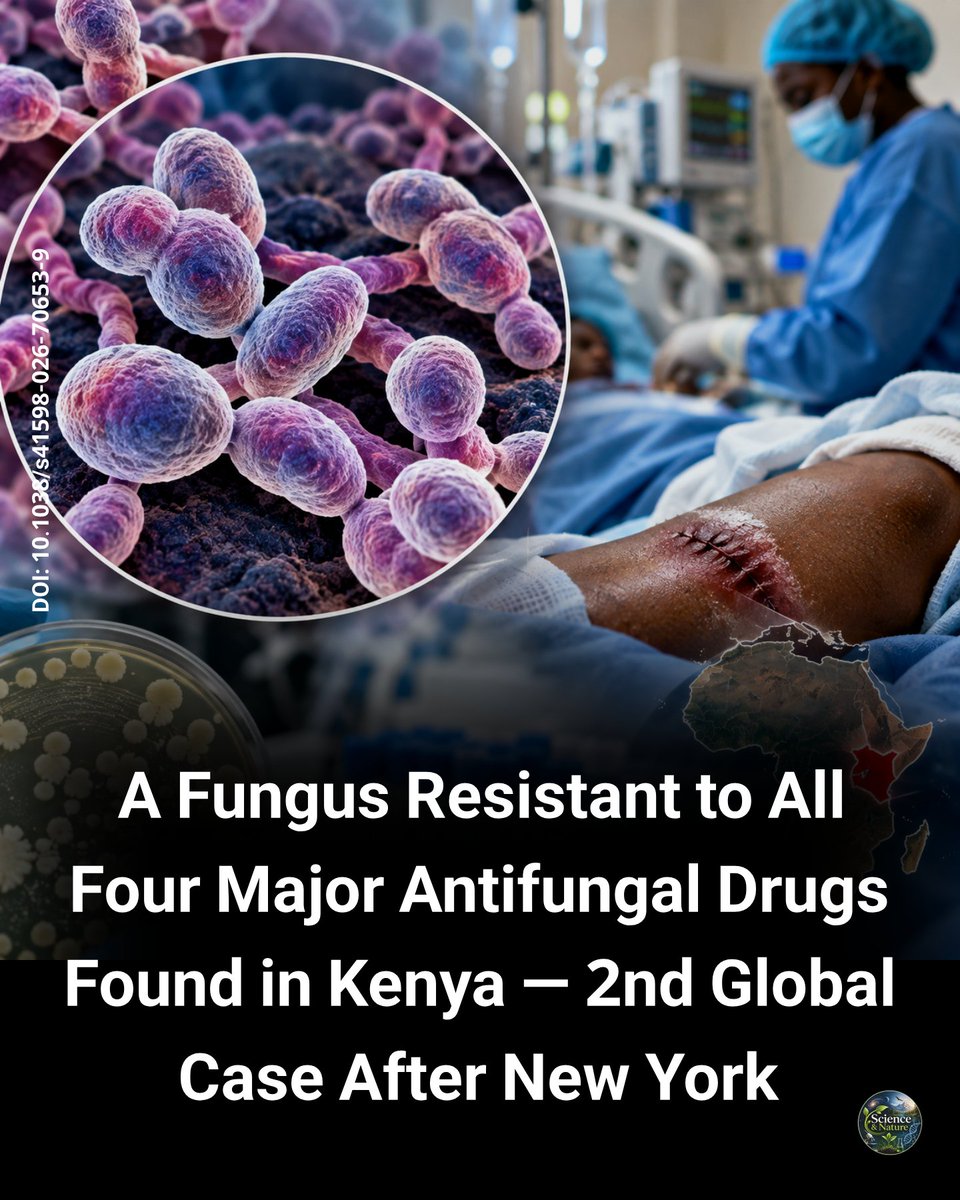
A microscopic threat is quietly adapting inside hospital walls, bypassing every medical defense we currently have available. Scientists in Kenya have recently identified a highly dangerous strain of the fungus Candida auris in a 28-year-old patient's surgical wound. This marks only the second time in global medical history, following a single documented case in New York in 2022, that this specific pathogen has demonstrated complete resistance to all known treatments. The most critical aspect of this discovery is that the fungus has developed a shield against all four major classes of antifungal drugs used in modern medicine. When a pathogen evolves to block every single pharmaceutical option simultaneously, doctors are left with virtually zero approved medications to fight the infection. Developing new antifungal treatments is incredibly challenging because fungal cells share many fundamental biological similarities with human cells, making it difficult to create drugs that kill the fungus without also harming the patient. This extreme resilience extends far beyond the human body, as Candida auris is notorious for clinging tenaciously to hospital beds, surgical equipment, and medical surfaces. It thrives in clinical environments, posing a severe and often fatal risk to intensive care patients, post-operative individuals, and those with weakened immune systems. Because medical teams cannot rely on standard medication to cure these specific pan-resistant infections, hospitals must fall back entirely on strict patient isolation, rigorous hand hygiene, and aggressive chemical disinfection to stop outbreaks before they spread. The emergence of this fungal superbug serves as a crucial warning for global public health. While antibiotic-resistant bacteria frequently dominate the headlines, fungal pathogens are quietly adapting and establishing strongholds in healthcare facilities worldwide. Expanding our global disease surveillance to track these evolving threats and investing heavily in next-generation medical treatments are vital steps needed to protect vulnerable patients from future untreatable infections. Journal Paper: Odoyo, E., Kigen, C., Wachira, J. et al. Emergence of pan-drug resistant Candidozyma auris in Kenya, the second globally documented case. Sci Rep (2026). DOI: 10.1038/s41598-026-70653-9
A groundbreaking recent analysis of global medical data reveals a persistent bias in healthcare that directly impacts patient outcomes. Researchers from a comprehensive 2026 review examined treatment records across various medical specialties and uncovered a stark reality regarding clinical care. When men and women present to a doctor or hospital with the exact same medical condition, they frequently do not receive the same level of medical intervention. The data consistently demonstrates that female patients are significantly less likely to be offered active treatments, surgical procedures, or adequate pain relief compared to their male counterparts. This disparity spans across multiple critical areas of everyday medicine and emergency care. In the realm of cardiology, women are frequently managed with conservative medication regimens rather than being offered highly effective procedures like stents or bypass surgeries. During medical emergencies, female patients are notably less likely to receive strong medications for severe acute pain or advanced restorative treatments following a cardiac event. The study even noted that bystanders are more hesitant to use life-saving defibrillators on women in public spaces. Medical experts emphasize that these widespread variations do not stem from biological differences requiring alternative treatments. Instead, this trend points to systemic biases in how the healthcare system evaluates and responds to the symptoms reported by female patients. Acknowledging this invisible gap in clinical care is an essential step toward reforming medical practices and ensuring that every patient receives equitable, evidence-based treatment regardless of gender. Journal article: Veenhuizen M, O’Malley A (2026) Measured treatment differences between sexes and genders: A scoping review. PLoS One 21(9): e0356176. DOI: 10.1371/journal.pone.0356176

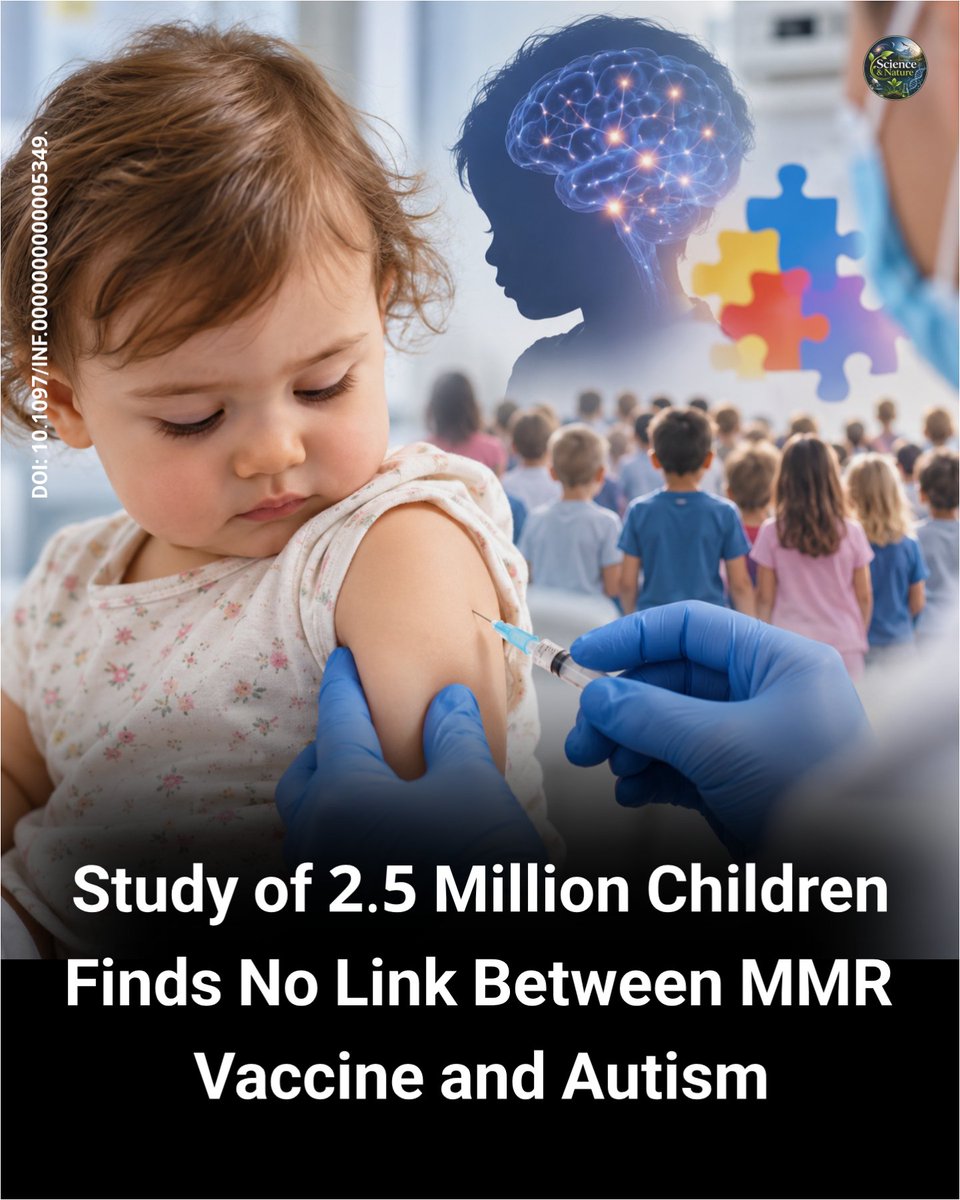
A groundbreaking analysis of 2.5 million pediatric health records has delivered one of the most definitive verdicts in modern medical history. Researchers publishing in the Pediatric Infectious Disease Journal have conclusively reaffirmed that there is no link between the measles, mumps, and rubella (MMR) vaccine and autism. This sweeping retrospective study tracked the developmental trajectories of infants and toddlers who received their first MMR dose within the standard 11.5 to 24-month window, monitoring their clinical outcomes up to age eight. To ensure the absolute integrity of these results, scientists deployed rigorous statistical models designed to strip away underlying biases. By utilizing age-specific data tracking and negative control exposures, the research team successfully isolated the effects of the vaccine from other environmental or biological variables. The resulting data yielded a clear and scientifically unassailable conclusion, demonstrating that timely immunization does not negatively alter a child's neurological development. This monumental dataset fortifies decades of global scientific consensus with an unprecedented level of clinical evidence. For parents, caregivers, and pediatricians, this research provides ultimate reassurance. It definitively proves that safeguarding children against highly contagious and potentially life-threatening diseases remains a fundamentally safe and essential pillar of early healthcare. Paper refrence: Burstain, Todd L., et al. “Association Between First MMR Vaccination Before Age 2 Years and Childhood Autism in a U.S. EHR Cohort of 2.5 Million Children.” Pediatric Infectious Disease Journal, July 2026, DOI: 10.1097/INF.0000000000005349.
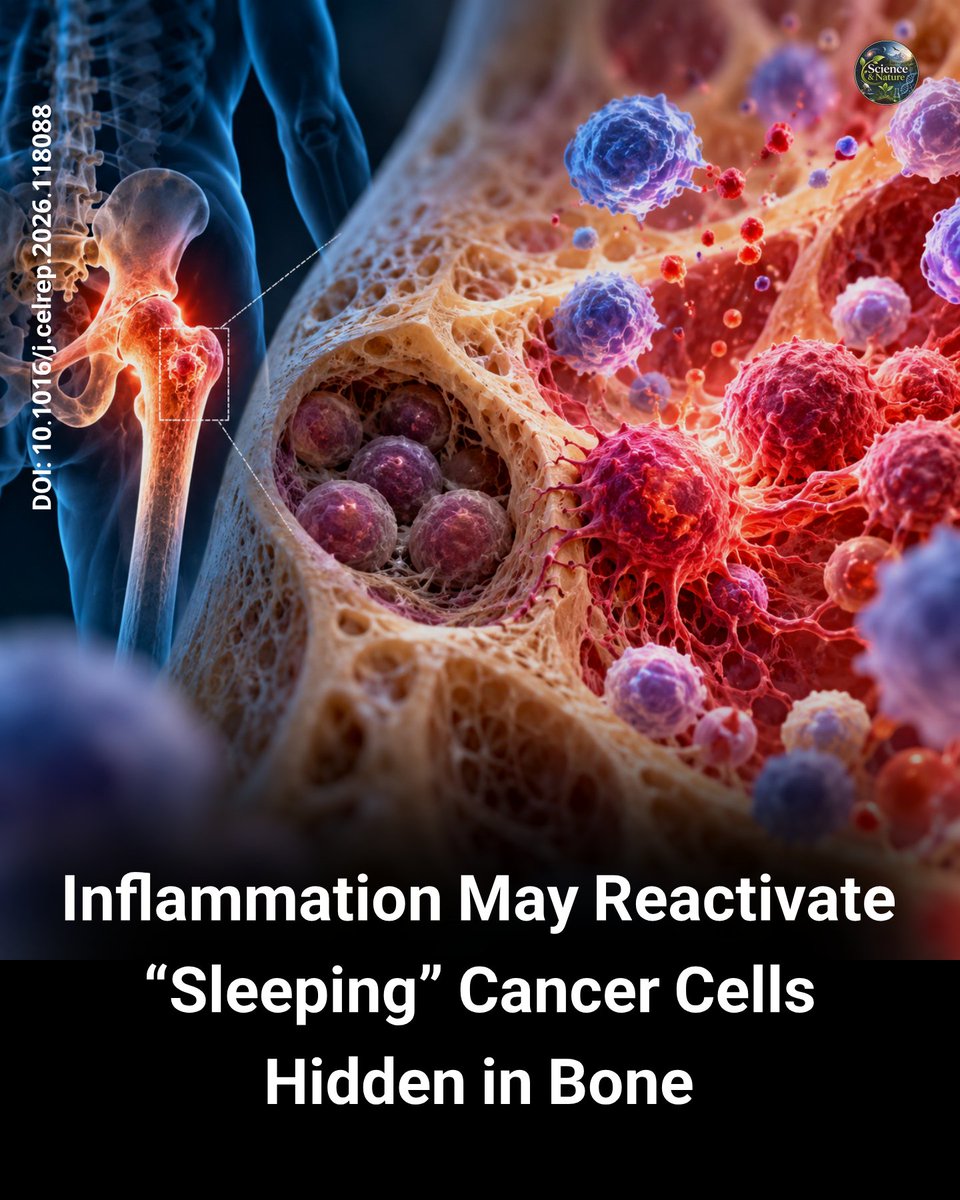
The sudden return of cancer years after a patient is declared cancer-free has long been one of the greatest mysteries in medicine. For decades, scientists have known that tiny fractions of cancer cells can escape into the bone marrow and enter a deep sleep. In this state of metastatic dormancy, they become virtually invisible to the immune system and highly resistant to traditional treatments. Observing these hidden cells was previously nearly impossible due to the dense, inaccessible structure of human bone. However, a groundbreaking new study published in Cell Reports by researcher Stefania Di Blasio and her team has completely bypassed this barrier by engineering miniature, functional bone environments outside the main skeleton to watch these sleeping cells in real-time. These unprecedented real-time observations have revealed a surprising biological twist regarding how cancer actually returns. The researchers discovered that these dormant cancer cells do not wake up randomly on their own, but are instead highly sensitive to stress signals originating from completely different parts of the body. When a person experiences severe inflammation, tissue damage, or a surgical wound elsewhere, the body naturally floods the bloodstream with systemic healing signals. Unfortunately, the research team found that these exact same inflammatory alarm bells inadvertently act as a powerful wake-up call for the sleeping cancer cells in the bones, triggering an aggressive relapse. This incredible breakthrough fundamentally shifts our modern understanding of cancer recurrence and opens the door for entirely new clinical strategies. By proving that distant bodily stress can trigger a metastatic relapse, researchers can now focus on developing proactive therapies that block these specific inflammatory signals during necessary surgeries or major illnesses. Ultimately, this newly invented miniature bone model provides the medical community with an invaluable testing ground for specialized drugs designed to eradicate residual cancer cells or ensure they remain safely asleep forever. Citation: Stefania Di Blasio et al, An extramedullary bone model of metastatic dormancy reveals an increased rate of metastatic reactivation upon distant insults, Cell Reports (2026). DOI: 10.1016/j.celrep.2026.118088
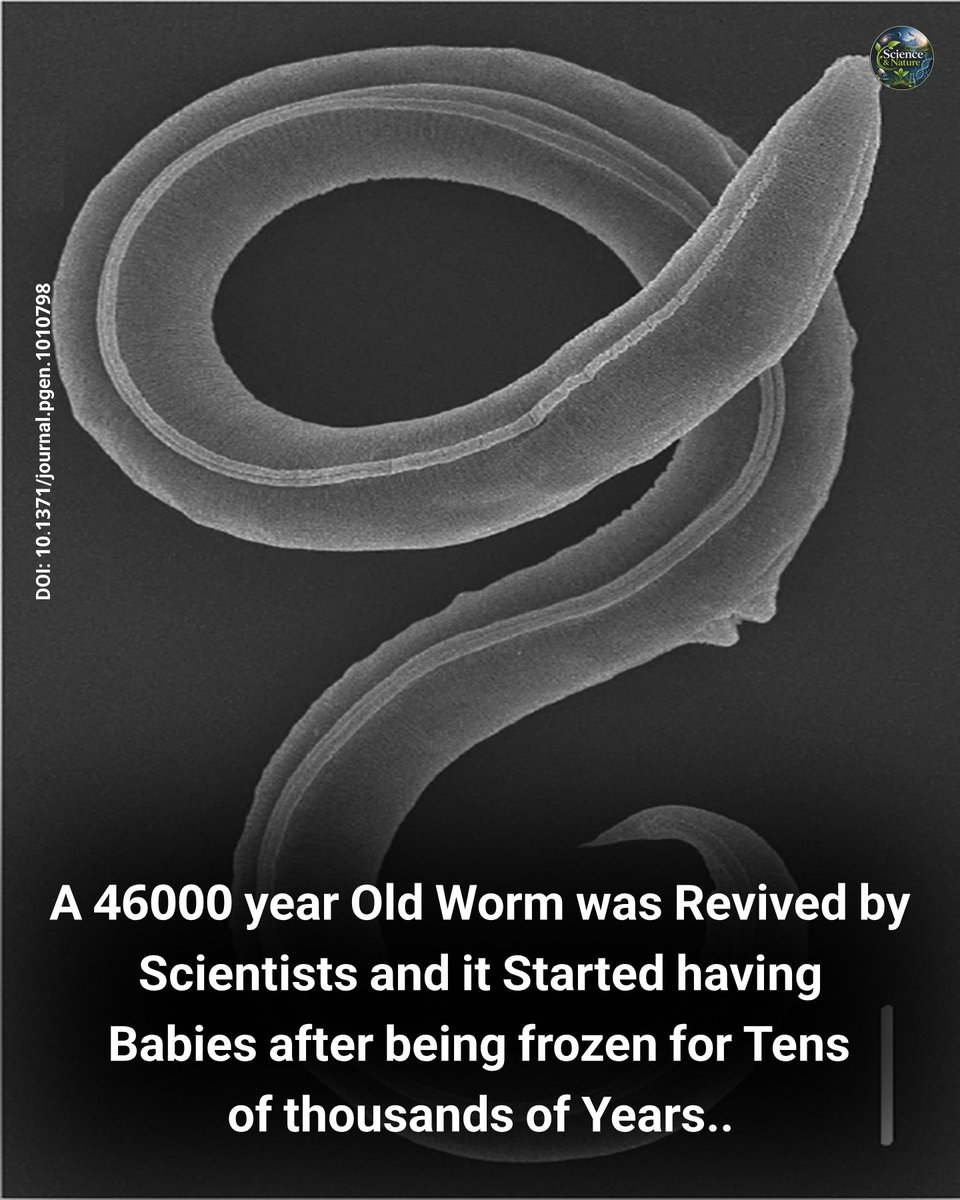
Scientists have successfully awakened a microscopic organism that has been frozen in the Siberian permafrost since the era of the woolly mammoth. Deep within the ice, researchers unearthed a previously unknown species of nematode, now named Panagrolaimus kolymaensis. Resting 40 meters below the surface in a fossilized Arctic squirrel burrow, this tiny worm spent the last 46,000 years in a state of suspended animation. Upon thawing in a modern laboratory, it seamlessly resumed its normal biological functions and immediately began reproducing. The secret to this geological time travel lies in an extraordinary biological survival mechanism known as cryptobiosis. To endure the extreme, freezing temperatures of the late Pleistocene epoch, the nematode completely shut down its metabolic processes. Modern genomic sequencing reveals that it achieved this by producing specialized sugars, such as trehalose, which act as a natural biological antifreeze. This internal chemistry protected the organism's cellular structures from fatal ice crystal damage and severe dehydration over tens of thousands of years. This monumental revival fundamentally expands our understanding of the absolute limits of biological resilience on Earth. Documenting an organism's ability to essentially pause its existence for millennia provides critical insights into evolutionary adaptation and survival. Beyond solving long-standing mysteries of the natural world, studying these ancient biochemical strategies holds exciting potential for inspiring future breakthroughs in medical cellular and tissue preservation technologies. Reference article: Shatilovich A, Gade VR, Pippel M, Hoffmeyer TT, Tchesunov AV, et al. A novel nematode species from the Siberian permafrost shares adaptive mechanisms for cryptobiotic survival with C. elegans dauer larva. PLOS Genetics 19(7): e1010798. DOI: 10.1371/journal.pgen.1010798
The concept of empty space is actually a cosmic illusion. Instead of a silent, blank void, the vacuum of the universe is more like a restless ocean of hidden energy, constantly bubbling with unseen potential. In the quantum world, if you apply enough energy to this seemingly empty space, you can actually force physical matter to pop into existence out of absolutely nowhere. While this sounds like pure science fiction, it is a fundamental rule of how our universe operates, heavily relying on the famous scientific principle that energy and physical mass are entirely interchangeable. To understand how this spontaneous creation happens, imagine two opposite electrical charges connected by an invisible, microscopic rubber band made entirely of pure energy. When these charges are pulled apart, this energy string stretches, and the tension between them builds up dramatically. In our everyday world, a stretched rubber band simply snaps and falls away. In the quantum realm, when this invisible string of energy is stretched to its absolute limit, it also snaps, but the immense stored energy instantly transforms into a brand-new pair of physical particles. This process, known in physics as string breaking, is the universe's way of releasing built-up tension by converting pure force directly into physical matter. For decades, scientists could only study these intense cosmic forces by smashing particles together at near light-speed inside massive, multi-billion-dollar underground accelerators. However, a recent breakthrough has changed the landscape of modern physics. Researchers have successfully recreated this exact string-breaking phenomenon inside a laboratory using a highly advanced quantum computer. By meticulously controlling trapped atoms, the team built a perfect microscopic simulation of this event. They were able to watch the energy stretch and literally witness the precise moment when the string snapped to create new particles. This achievement allows scientists to study the most extreme and fundamental forces of nature on a laboratory workbench, opening a completely new chapter in our understanding of reality itself. Journal paper: De, A., Lerose, A., Luo, D. et al. String-breaking dynamics in a quantum simulator. Nat. Phys. (2026). DOI: 10.1038/s41567-026-03422-0

Dietary fats like Omega-3s are famous for their cardiovascular and anti-inflammatory benefits, yet a surprising new discovery reveals they might have an unexpected downside in the fight against cancer. Scientists have uncovered a biological paradox where these widely celebrated healthy fats can actually suppress the very immune cells designed to hunt down and destroy tumors. The human immune system relies on frontline defenders known as Natural Killer cells to identify and eliminate cancerous threats. However, recent research published in Science Signaling shows that tumors can exploit a specific protein gateway, called LRP5, to flood these immune cells with polyunsaturated fatty acids. When the Natural Killer cells absorb too much of this fat, their metabolism shifts and their tumor-fighting abilities shut down. In essence, the tumor uses these fats to put the local immune system to sleep so the cancer can grow undetected. This fascinating metabolic checkpoint forces the medical community to rethink how the nutritional environment inside our bodies influences cancer progression. By developing new therapies that block the LRP5 gateway, scientists hope to prevent these suppressive fats from entering Natural Killer cells entirely. Keeping these crucial immune defenders active and alert could unlock a powerful new generation of treatments capable of outsmarting cancer's stealthiest defenses. Reference: Yi Luan et al, LRP5-dependent transport of polyunsaturated fatty acids serves as an immune checkpoint for natural killer cells, Science Signaling (2026). DOI: 10.1126/scisignal.ady2865

Human connection is just as vital to our survival as diet and exercise, and recent research has put a startling number on what happens when that connection disappears. A major study tracking nearly three hundred thousand adults revealed that persistent loneliness can strip away up to six years of life lived free from serious mental health challenges like depression and anxiety. The researchers highlighted an important difference between physical isolation and the emotional ache of feeling lonely. Living on your own merely reflects your physical circumstances, but loneliness reflects your internal state of emotional disconnection. A person can live quietly by themselves and feel entirely content, or spend their days in a busy room and still feel profoundly isolated. The most eye-opening discovery was how our bodies respond to daily habits. People who lived alone could protect their overall health by eating well, exercising consistently, and getting enough rest. For those who felt genuinely lonely, however, a healthy lifestyle offered almost no shield against mental strain. Clean eating and regular gym workouts could not erase the deep neurological stress caused by feeling emotionally detached from the world. The data also revealed that men experienced an especially steep decline in healthy years when navigating loneliness. Taking care of your health has to mean more than managing your nutrition and counting your daily steps. Reaching out to a friend, cultivating genuine relationships, and checking in on the people around you are fundamental biological necessities for a long and balanced life. Paper source: Wang, X., Ma, H., Heianza, Y. et al. Associations of loneliness, social isolation and healthy lifestyle with life expectancy free of major physical disease and mental disorder. Nat Commun 17, 6816 (2026). DOI: 10.1038/s41467-026-74498-8


Science Explorist @SciExplorist
35K Followers 128 Following Science explorist publishes trusted science news to wide range of audience. Each article has been analyzed and investigated before publishing.
Beyond Our Sight 🔭 @BO_sci
21K Followers 3K Following Science educational account. welcome to the official account BOS.This account is primarily dedicated to Science lover .
Lorenne Almeida está... @lorenne_almeida
7K Followers 1K Following Graduanda em Ciências Biológicas pela ufv e faço divulgação científica falando sobre besouros em geral 🐞 contato e pix: [email protected]
O espécime @O_Especime
12K Followers 627 Following Formado em Biologia e Veterinária Perfi criado para divulgar e discutir temas científicos com foco em zoologia.
BeetleRenzo🪲💢�... @beetlerenzo
4K Followers 3K Following Vincenzo Zanini Biólogo 🌱 Divulgador científico -Coleóptera 🪲🐞 Divulgação científica E muito Vasco 💢 #TrupeNaturalista contato: [email protected]
Tech Demystified ♨ ... @bigfundu
10K Followers 6K Following Entrepreneur, Techie - Ethical Hacker / Vibe Code Fixer / AI Generalist, Geopolitics Researcher. I love yoga and traditions of Bharat | ॐ नमः शिवाय

Çiçek @iekvngbz
0 Followers 45 Following
Erhan Bilge @ErhanBilge03
291 Followers 2K Following Veteriner Hekim Afyonkarahisar Frigya salutaris
CtrlAltDelMyLife @irony_in_DOLBY
969 Followers 951 Following
Leo Krisno @ethan_leo
41 Followers 4K Following

Elia @Elia20312031
12 Followers 401 Following
Mohammad @m70527662
0 Followers 1K Following
magixmama @magixmama555
1 Followers 8 Following
Ashis Kumar Sahoo @A08S8
137 Followers 6K Following
Friends of the Adelai... @FriendsAdelaide
453 Followers 2K Following Sponsored by: @coriole @WakefieldPress @MantraHotels @UoATheatreGuild @Indep_Theatre Bookings: [email protected]
Thomas Mannering @TMann87641
25 Followers 194 Following
jinshui @jinshui0l
7 Followers 213 Following
Bayram ali @Bayrama42330261
2 Followers 12 Following
kejia zhang @kejia8195
199 Followers 7K Following

Specially Social @IamsoSocial
2 Followers 146 Following

Jeejee1239 @jeejee1239
59 Followers 1K Following
Antonia @Antonia0r8za
1 Followers 265 Following
jose @jose5j7huq
20 Followers 333 Following
KevinWong @fernweh2nl
7 Followers 533 Following
d on g @dong0873459
0 Followers 17 Following
mCeline @xopanduhfr
17 Followers 364 Following soft paws, hard truths. 🐼 zero filter, too many opinions, no sugarcoating. here for the plot, bad decisions & takes nobody asked for. cute, blunt, usually righ
tempo @tempo714113
44 Followers 4K Following
travis walton @_Tekil_X
3 Followers 129 Following
jasim @jasim1172431110
0 Followers 17 Following
Chef D @ChefDawkins
155 Followers 2K Following

Phương Trịnh @PTrinh41238
13 Followers 529 Following
Lindsay Kipkemoi @KipkemoiLindsay
6 Followers 22 Following


Plimsoll Maritimers P... @PlimsollMTS
15 Followers 486 Following 🔗 Join the group here: https://t.co/K7RPUV3hoC Feel free to share this invite with fellow maritime technical professionals.

Wolfgang R @Wolfgang56626A
2K Followers 5K Following SingleM57hot!*Like::Girls18+!Music&Movies&More!*Instagram:wolfgang56626andernachnr2 &:wolfgang56626andernach *WhatsApp+49(0)1523-6843054! [email protected]
Noor @NoorzaiWahed
15 Followers 896 Following
Parys @Parys71537
0 Followers 118 Following
TERRESE FANCHER @FancherTerrese
56 Followers 372 Following LOVE TO WORKOUT, AND GOD FIRST AND FOREMOST AND FAMILY

Hongwen li @naturalxrhythm
4 Followers 95 Following
Inna @casperinna
20 Followers 93 Following
Lizhen @Lizhen87494327
16 Followers 1K Following

News from Science @NewsfromScience
765K Followers 638 Following The latest stories in science, brought to you by the @ScienceMagazine news team.
WIRED Science @WIREDScience
1.8M Followers 164 Following Bringing the radiothermally generated heat. Sign up for the @WIREDScience newsletter: https://t.co/3N3V4n4F5k
Interesting AF @interesting_aIl
2.5M Followers 118 Following Posting interesting news, history, tech, art, and more. 📧 business inquiries: [email protected]
Community Notes @CommunityNotes
1.2M Followers 0 Following Empowering users to create a better-informed world. We're open source and data is publicly available: https://t.co/Te3IjR10Ix Q? Reply/DM
PNASNews @PNASNews
184K Followers 1K Following Cutting-edge news & reports from PNAS, one of the world's most-cited scientific journals, sibling journal of @PNASNexus & an official journal of @theNASciences.
World and Science @WorldAndScience
2.6M Followers 29 Following Frequently updated assortment of tweets related to the world of science (with some side tracking) - As an Amazon Associate we earn from qualifying purchases
Chinese Academy of Sc... @CAS__Science
3K Followers 6 Following Exploring the frontier of science for the benefit of humanity.

You might like