

Smart Science @SmartScience
🔬 Smart science facts • Space 🚀 Physics ⚛️ Biology 🧬 Tech 🤖 • Learn something new every day x.com/SmartScience Science Hub Joined March 2026-
Tweets2K
-
Followers25K
-
Following28K
-
Likes265
A new human placenta-derived nasal spray slowe cognitive decline and reduces brain inflammation associated with Alzheimer's disease. Medical researchers at the Catholic University of the Sacred Heart in Italy have unveiled a novel therapeutic approach that utilizes extracellular vesicles derived from human placental tissue. In preclinical studies using mouse models genetically engineered for Alzheimer's disease, twice-weekly administration of the spray led to significant reductions in brain inflammation and amyloid-beta plaque accumulation. Delivered as a non-invasive nasal spray, the treatment harnesses stem cell-derived particles from the amniotic membrane to deliver anti-inflammatory and neuroprotective molecules directly to the brain. By utilizing olfactory nerve pathways, this delivery method effectively bypasses the blood-brain barrier, a long-standing hurdle in developing central nervous system treatments. The treated mouse models demonstrated enhanced neuroplasticity and marked improvements in memory and cognitive performance. While clinical trials in humans are still required to confirm safety and efficacy, the findings represent an encouraging shift toward targeting neuroinflammation rather than relying solely on traditional protein-clearing therapies. source: Catholic University of the Sacred Heart. (2026). Human Placental Extracellular Vesicle Intranasal Therapy for Alzheimer's Disease. Preclinical Neuroscience Reports.

Creatine protects the brain's memory center by preventing neuron loss and correcting faulty electrical signaling caused by gut inflammation, new research reveals. In a novel study examining the gut-brain axis, researchers discovered that creatine supplementation shields the hippocampus from severe inflammatory damage. When chronic gut inflammation triggers neuroinflammation, standard neural signaling collapses, leading to nerve cell decay and erratic electrical signals. However, daily creatine restored vital energy reserves within the brain's memory hub, maintaining cellular integrity and normalizing neuronal excitability even under physiological stress. While these preliminary findings come from preclinical animal models, they highlight a promising, accessible strategy for safeguarding cognitive function. Because the human brain consumes nearly 20 percent of the body's daily energy, maintaining proper metabolic reserves is critical. Scientists believe targeted creatine supplementation could offer a simple, complementary approach to preserving memory and shielding brain cells from inflammatory decline. source: Ruiz-Calero, A., & Ortego-Domínguez, M. (2026). Creatine supplementation restores hippocampal bioenergetics and protects against inflammation-induced neurodegeneration. Brain, Behavior, and Immunity.

Hot showers help relax muscles, relieve stiffness, and prepare the body for sleep, while cold showers increase alertness, stimulate the nervous system, and may reduce muscle soreness. Do you prefer: hot or cold showers?

Medical experts are warning that AI is unleashing a flood of fraudulent and completely fabricated medical research. The rapid adoption of artificial intelligence in academia has opened the floodgates to a surge of deceptive medical literature. Leading medical researchers report that generative tools are increasingly being weaponized by fraudulent paper mills to create convincing, synthetic studies complete with fake patient datasets, flawed statistical analyses, and fabricated reference lists. Unlike traditional research misconduct, which required significant time and effort to execute, AI enables bad actors to generate hundreds of authentic-looking scientific papers in minutes, threatening to corrupt the foundational evidence base that doctors rely on to make critical treatment decisions. The implications for global healthcare are alarming as these fabricated studies slip past overworked peer reviewers and enter legitimate biomedical databases. Recent audits reveal that thousands of published articles now contain fictitious citations generated by AI writing assistants, creating a web of misleading data that can distort official clinical guidelines and compromise patient safety. Health experts emphasize that without robust automated detection systems, stricter editorial oversight, and transparent data-verification protocols, the unchecked spread of AI-driven research fraud risks irrevocably eroding public trust in modern medicine. source: Topaz, M., et al. (2026). Systematic Audit of AI-Generated Fabrications in Biomedical Literature. The Lancet.

A new therapy combining a single gene injection with high-tech goggles has restored visual function in blind patients. Retinitis pigmentosa encompasses a group of rare genetic disorders that progressively destroy the light-sensing photoreceptors in the retina, often leading to irreversible blindness. Because variants in more than 100 different genes can trigger the condition, creating individualized gene therapies for every specific defect is extraordinarily difficult and costly. To overcome this hurdle, researchers co-led by Dr. José-Alain Sahel at the University of Pittsburgh and Dr. Botond Roska at the Institute of Molecular and Clinical Ophthalmology Basel evaluated optogenetic therapy—a universal strategy designed to bypass destroyed photoreceptors and restore visual response regardless of the specific genetic cause. In a clinical trial involving ten adults with profound vision loss, each patient received a single injection into their worse-seeing eye delivering genetic code for a light-sensitive protein called ChrimsonR directly into surviving retinal ganglion cells. When paired with specialized goggles that capture changes in scene brightness and project targeted amber light into the eye, seven out of ten participants showed increased light sensitivity, with multiple patients gaining the ability to locate and touch objects. While the therapy does not restore full sight or reading ability, these findings demonstrate that the human visual system retains the capacity to process new visual inputs even at advanced stages of disease. source: Sahel, J.-A., Roska, B., et al. (2026). Optogenetic therapy for restoring aspects of visual function. New England Journal of Medicine.

An new drug kills fat cells instead of shrinking them, offering a radical new approach to treating obesity. Traditional weight loss strategies—including diet, exercise, and popular GLP-1 medications—primarily function by shrinking fat cells or curbing appetite, leaving the underlying cell structure intact. However, preliminary clinical research on an experimental injectable compound known as CBL-514 reveals a transformative mechanism: it triggers targeted apoptosis, or programmed cell death, causing fat cells to permanently self-destruct. Early human trials demonstrated an average 12% reduction in deep abdominal visceral fat within just four weeks of treatment. By directly dismantling the cellular architecture of fat tissue, this therapeutic approach could target stubborn areas that typically resist standard weight management routines. Beyond targeted fat reduction, destroying visceral fat cells directly addresses the root driver of severe cardiovascular and metabolic disorders, including type 2 diabetes and hypertension. Researchers also suggest that permanently eliminating these cells could solve one of the biggest hurdles in modern weight management: the rapid weight regain that frequently occurs after patients discontinue appetite-suppressing medications. While further large-scale clinical trials are required to confirm its long-term safety profile and efficacy, this novel cellular-destruction strategy marks a major paradigm shift from temporary weight control toward potential long-term metabolic rehabilitation. source: European Association for the Study of Diabetes. (2026). Early clinical trials show experimental injection destroys fat cells to reduce visceral fat.

Cannabis use is associated with increased risk of violence, new research finds. A major synthesis of 63 studies covering over 265,000 individuals has uncovered a strong statistical link between cannabis use and violent behavior. Researchers found that general-population cannabis users had roughly double the odds of committing a violent act compared to non-users, while the odds rose to 2.5 times higher among individuals receiving psychiatric care. Most strikingly, the association was strongest when evaluating incidents that resulted in criminal convictions, where cannabis users in the general population showed nearly four times higher odds of violent offending. The research also highlights that cannabis users face a 50% higher likelihood of becoming victims of violence themselves, with female users experiencing a disproportionately elevated risk. However, scientists caution that these findings demonstrate statistical association rather than direct cause and effect. Confounding variables such as alcohol and other substance use, pre-existing psychiatric conditions, prior behavioral tendencies, and challenging social circumstances remain major contributing factors to both cannabis consumption and violent events. source: Trotta, G., Rodriguez, V., Marino, P., et al. (2026). Cannabis use is associated with increased risk of violence: A systematic review and meta-analysis. Psychological Medicine.

A deadly fungal mold that causes severe brain abscesses is surging in the United States. Doctors don’t know why. Health experts from the Centers for Disease Control and Prevention (CDC) and the University of Washington are raising alarms over a sharp rise in infections caused by Cladophialophora bantiana, a rare black mold that attacks the human central nervous system. Laboratory surveillance reveals that detected cases quadrupled between 2023 and 2025, spreading across at least 21 U.S. states. The pathogen primarily invades brain tissue, forming severe, pus-filled abscesses that cause devastating neurological damage. What makes the outbreak particularly troubling to researchers is that unlike most invasive fungal pathogens that target only vulnerable individuals, this fungus is infecting otherwise healthy people with fully functioning immune systems. Scientists remain baffled by the underlying cause of the surge, as there is currently no centralized federal tracking system specifically dedicated to monitoring the fungus. Researchers suspect spores are inhaled or introduced through minor skin wounds before traveling to the brain. With case-fatality rates reaching up to 70 percent even with aggressive surgical and antifungal treatments, epidemiologists emphasize the urgent need for heightened clinical awareness and expanded diagnostic testing. As changing environmental conditions potentially play a role in spore proliferation, medical professionals are urging hospitals nationwide to stay vigilant for unusual neurological symptoms. source: Lieberman, J., et al. (2026). Detection of Cladophialophora bantiana Infections — United States, 2009–2026. Morbidity and Mortality Weekly Report, Centers for Disease Control and Prevention.

A tiny new implant injected via a standard needle wirelessly regulates nerve signals — ending chronic pain without surgery, wires, or internal batteries. Developed by researchers at NYU Abu Dhabi and Cleveland Clinic Abu Dhabi, the miniature device—dubbed SEED (Stimulating Electrode for Electroceutical Delivery)—can be delivered through a standard medical needle. Positioned precisely near a targeted nerve using routine ultrasound or CT imaging, the seed-sized implant receives power wirelessly from a compact external transmitter. Once activated, it delivers soft electrical impulses that disrupt malfunctioning pain signals before they reach the brain, bypassing the need for invasive surgical procedures or internal battery packs. Traditional spinal stimulators require complex surgeries and carry risks of hardware infection, while oral painkillers often bring severe side effects and addiction risks. By offering a customizable, injectable alternative, this wireless electroceutical technology represents a major leap in non-surgical therapy for chronic pain, movement disorders, and paralysis. While currently in preclinical testing, it paves the way toward safer, on-demand relief that can be adjusted in real time by clinicians and patients alike. source: Ramadi, K., et al. (2026). Stimulating Electrode for Electroceutical Delivery (SEED) for wireless peripheral nerve neuromodulation. Science Advances.

Recent experiments suggest time travel doesn’t break physics — because past, present, and future may exist simultaneously in a static ”block universe.” For decades, science fiction and theoretical physics have wrestled with the paradoxes of time travel, fearing that altering the past would tear the fabric of reality. However, recent quantum simulation experiments are turning this classic narrative on its head. By manipulating entangled particles to simulate backward-in-time loops, physicists have demonstrated that quantum systems can resolve historical contradictions automatically. Instead of creating temporal chaos or alternate timelines, these experiments show that cause and effect remain remarkably stable even when information appears to travel backward, challenging our traditional view of a strictly linear timeline. These findings offer compelling experimental support for the 'block universe' theory, or eternalism, which posits that space and time form a static four-dimensional structure where every moment—past, present, and future—exists simultaneously. In this framework, time does not actually 'flow' from one second to the next; rather, human consciousness simply moves through a predefined cosmic tapestry. If all of reality is already written and coexisting at once, travelling to another point in time does not break the universe—it merely shifts our perspective to another location within an eternally existing cosmos. source: Arvidsson-Shukur, D. R. M., McConnell, J. C., & Yunger Halpern, N. Non-classical advantage in metrology established via quantum simulations of retrocausality. Physical Review Letters, 131(15).

Scientists figured out how to regrow knee cartilage by targeting an aging-related enzyme, offering a way to eliminate joint replacement surgeries. Researchers at Stanford Medicine have discovered that damaged knee joints can rebuild their own protective cartilage by targeting a specific aging-related enzyme called 15-PGDH. As body tissues age, this enzyme becomes increasingly abundant and actively breaks down prostaglandin E2, a vital molecule required for tissue repair. By administering a specialized inhibitor to block 15-PGDH in older mice, scientists successfully restored lost cartilage, thickening the joint surface with smooth hyaline cartilage—the essential, low-friction tissue required for pain-free joint movement—rather than inferior fibrocartilage. The therapy's potential extends beyond age-related wear and tear to traumatic joint injuries like ACL tears, which frequently trigger early-onset osteoarthritis. Mice treated twice weekly with the enzyme inhibitor suffered significantly less cartilage degradation and retained vastly superior joint mobility. Most promisingly, when tested on human cartilage tissue discarded during knee replacement surgeries, the laboratory samples demonstrated genuine signs of regeneration. By reprogramming existing joint cells to adopt a youthful, regenerative state without relying on stem cells, this targeted treatment could eventually render invasive joint replacement surgeries obsolete. source: Singla, M., Wang, Y. X., Monti, E., Bedi, Y., Agarwal, P., Su, S., Ancel, S., Hermsmeier, M., Devisetti, N., Pandey, A., Bakooshli, M. A., Palla, A. R., Goodman, S., Blau, H. M., & Bhutani, N.. Inhibition of 15-hydroxy prostaglandin dehydrogenase promotes cartilage regeneration. Science, 391(6789).

More than 2,000 years ago, ancient Egyptians carved a small wooden object that looks surprisingly similar to a modern airplane. Today, it is known as the Saqqara Bird. The artifact was discovered in 1898 during excavations at Saqqara, an ancient Egyptian burial site near Cairo. Made from sycamore wood, the object measures approximately 14 centimeters in length and has a wingspan of about 18 centimeters. It is generally dated to around 200 BCE, during Egypt’s Ptolemaic period. What makes the artifact unusual is its design. Unlike most bird sculptures, its wings extend almost horizontally, and its tail is positioned vertically, giving it a superficial resemblance to an aircraft. In 1969, Egyptian physician Khalil Messiha proposed that the object might represent an ancient flying machine. His interpretation attracted considerable attention, particularly among people interested in the possibility that ancient civilizations possessed advanced technology. However, archaeologists have found no convincing evidence that the Saqqara Bird was designed to fly. The object lacks several features necessary for stable flight, and its original purpose remains uncertain. Some researchers believe it was a ceremonial object, a decorative bird, or possibly a toy. Another suggestion is that it may have served as a weather vane. Ancient Egyptians frequently represented birds in their artwork, particularly falcons, which were associated with the god Horus and royal authority. The artifact’s resemblance to an airplane does not establish that ancient Egyptians understood powered flight or aerodynamics. There is also an important distinction between the original artifact and some images circulating online. The Saqqara Bird is a relatively simple wooden carving, not an elaborate metallic aircraft covered in hieroglyphics. The object is real, but the claim that nobody can explain it is misleading. Archaeologists have several plausible interpretations, even though its precise function has not been established. Source: Egyptian Museum, Cairo; archaeological research on the Saqqara Bird; Smithsonian National Air and Space Museum.

The first trial of cellular reprogramming to turn reverse aging in human cells improved vision in patients. In a historic milestone for longevity medicine, researchers running the first human trial for cellular reprogramming have reported improved vision in two out of three glaucoma patients after just eight weeks of treatment. The experimental therapy, known as ER-100, aims to repair the damaged optic nerves connecting the eye to the brain by prompting injured eye cells to function like younger ones. Rather than editing underlying DNA sequences, ER-100 uses a single eye injection that delivers genetic instructions for three regulatory proteins, which are then activated through a daily dose of the oral antibiotic doxycycline. Early trial data revealed no serious adverse events, leading an independent safety board to recommend stepping up the dosage for the next patient cohort. Beyond restoring eyesight, cellular reprogramming represents one of the most anticipated frontiers in modern biotechnology. High-profile tech leaders including Jeff Bezos, Peter Thiel, Yuri Milner, and Sam Altman have invested heavily in companies pursuing the technology. Because the technique resets how cells use their genetic instructions without altering the genome itself, scientists hope it can ultimately be adapted to treat a wide array of age-related conditions throughout the body. While these initial Phase 1 results are preliminary and represent a small patient sample, they mark a pivotal transition for longevity science from laboratory theory into real-world clinical evaluation. source: Life Biosciences. (2026). Life Biosciences Announces First-in-Human Data from Ongoing Phase 1 Trial Evaluating ER-100 in Optic Neuropathies.

Children with Autism were exposed to significantly higher concentrations of 19 toxic chemicals during early childhood, tooth analysis reveals. Unlike traditional blood or urine tests that capture only brief snapshots of exposure, baby teeth serve as a biological time capsule. Developing from early pregnancy through early childhood, primary teeth absorb and retain trace compounds present in a child's environment. In a recent pilot study conducted by researchers at the UT San Antonio Health Science Center, scientists examined shed teeth from 22 children diagnosed with autism and 16 neurotypical peers, uncovering an average of 300 chemical compounds per child across both groups. When evaluating 60 frequently detected compounds, researchers found that 57 occurred in higher concentrations among children with autism, with 19 meeting statistical significance for elevated levels. Remarkably, 39 of these substances are known developmental toxicants or hormone disruptors found in daily items like baby bottles, plastics, and fragrances. While the authors emphasize that these findings do not prove a direct causal link, the chronic biological exposure documented in primary teeth highlights an urgent need for broader research into environmental chemical risks during early child development. source: Heilbrun, L. P., Shay, A., & Gimeno Ruiz de Porras, D. (2026). A pilot autism case-control study of pesticides and plasticizers in shed baby teeth. Neurotoxicology and Teratology, 117, 107710.

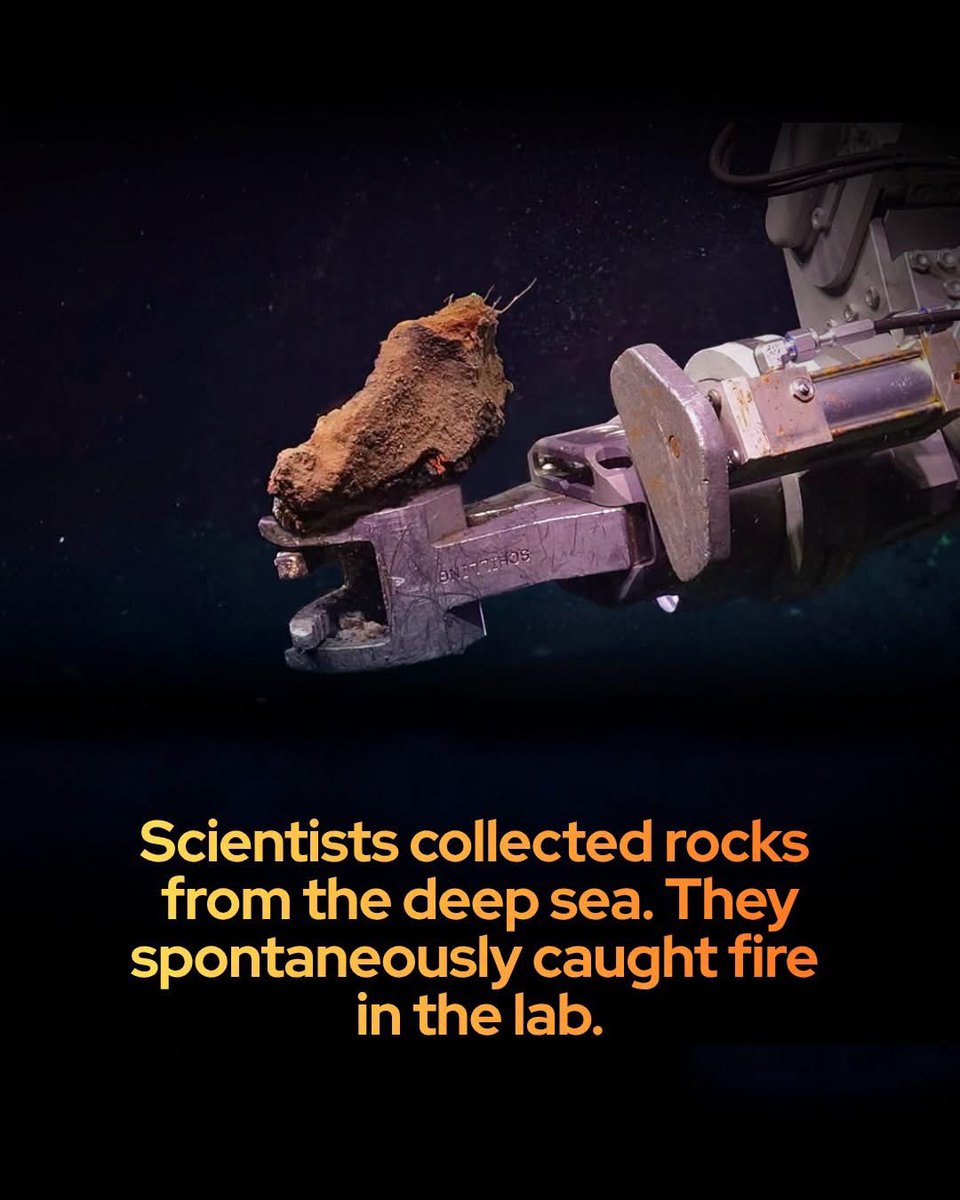
Deep-sea samples gathered from the depths of the U.S. coast spontaneously caught fire in the lab. Researchers with the U.S. Geological Survey collected hydrothermal rock samples from the Escanaba Trough, located off the Oregon-California coast. When scientists prepared the metal-sulfide-rich rocks for analysis by freeze-drying and breaking them apart, two of the samples unexpectedly ignited. Reaching temperatures above 100°C, the rocks smoked and completely oxidized on the lab bench. Researchers identified the cause as nanocrystalline marcasite—a microscopic form of iron sulfide that reacts rapidly with atmospheric oxygen when removed from the cold, oxygen-poor environment of the deep ocean. The finding introduces a critical obstacle for the global deep-sea mining industry, which aims to extract seabed deposits rich in copper, zinc, and iron for clean energy technologies. International authorities have already granted exploration contracts for massive sulfide fields across the globe. However, experts warn that bringing these volatile minerals to the surface without specialized fire suppression could trigger shipboard blazes during transit or storage, proving that deep-ocean extraction carries severe uncalculated safety risks. source: Gartman, A., & Favela, J. (2026). Spontaneous combustion of metal sulfide minerals and implications for seafloor massive sulfide mining. Scientific Reports.
As illnesses such as COVID-19 and influenza start to circulate widely again, health officials are reminding the public that masks can make a substantial impact. Infectious droplets spread easily through breathing, talking, coughing, or sneezing. A well-fitting face mask serves as an effective barrier, significantly reducing the amount of viral material released into shared air and protecting surrounding community members from exposure. To achieve maximum protection, proper fit is essential: masks must cover both the nose and mouth snugly without gaps along the edges where unfiltered air can bypass the fabric. Health experts advise wearing face coverings when recovering from illness, after recent exposure, or whenever leaving home while symptomatic cannot be avoided. For optimal health safety, masking should be combined with improved ventilation, regular handwashing, and staying home when sick. source: Centers for Disease Control and Prevention. (2026). Respiratory Virus Guidance.

Drug-resistant infections are rapidly rising across the U.S., and they’re spreading through sexual contact. Health officials are raising alarm over a sharp rise in extensively drug-resistant Shigella bacteria across the United States, which is creating severe treatment challenges. According to an analysis by the Centers for Disease Control and Prevention (CDC), the proportion of tested isolates resistant to five primary antibiotics jumped from 0% in 2011 to 8.5% in 2023. The bacteria spread through microscopic fecal-oral exposure, which can occur via contaminated surfaces or direct sexual contact. With resistant strains spreading within social networks of gay, bisexual, and other men who have sex with men, clinicians face growing difficulties treating severe cases without FDA-approved oral alternatives. Shigella causes shigellosis, an intestinal illness characterized by fever, severe abdominal cramps, and bloody diarrhea. While the infection historically affected young children and travelers, recent surveillance indicates a dramatic epidemiological shift toward adult populations, particularly adult men and individuals with weakened immune systems. CDC estimates that roughly 450,000 Shigella infections occur annually in the U.S., and about one-third of study patients with extensively resistant cases required hospitalization, underscoring the urgent need for enhanced clinical testing and targeted prevention strategies. source: Logan, N., et al. (2026). Emergence of Extensively Drug-Resistant Shigellosis — United States, 2011–2023. Morbidity and Mortality Weekly Report, 75(13), 173–178.

Scientists warn that the unprecedented strength of the emerging El Niño may cause permanent changes to global weather patterns and ecosystems. A monumental climate shift is underway in the Pacific Ocean as one of the most powerful El Niño events on record continues to gather strength. According to researchers at the National Oceanic and Atmospheric Administration, rising ocean surface temperatures have surpassed historical benchmarks, compounding the effects of ongoing global warming. This extraordinary intensity is destabilizing atmospheric cycles around the globe, driving severe rainfall and flooding in some regions while plunging others into prolonged droughts that threaten water security and agriculture. What makes this climate anomaly particularly alarming is its potential for irreversible ecological and economic consequences. Experts emphasize that cascading impacts—ranging from widespread marine ecosystem destruction to disrupted global commodity supply chains—will likely linger long after ocean temperatures stabilize. As communities worldwide scramble to prepare for heightened weather extremes, meteorologists warn that the planet may be crossing environmental thresholds from which a return to previous climate norms is no longer possible. source: National Oceanic and Atmospheric Administration. (2026). ENSO Diagnostic Discussion: Global Climate Impacts and Ocean Temperature Anomalies. Climate Prediction Center.

Scientists have finally mapped the full nerve network of the human clitoris for the first time — three decades after mapping male anatomy. For nearly thirty years, detailed anatomical maps of male reproductive nerves have guided surgical practice, while the nerve pathways of the clitoris remained largely unmapped. Utilizing advanced high-resolution X-ray imaging and 3D modeling on post-mortem human tissue, researchers successfully delineated the entire trajectory of the main sensory nerves and their branching sub-networks. The groundbreaking study revealed that these dorsal nerves branch out in a complex, tree-like pattern extending into surrounding tissues, overturning decades of incomplete anatomical textbook assumptions. This long-overdue discovery carries profound clinical implications for pelvic, reconstructive, and gender-affirming surgeries. Prior to this research, surgeons lacked precise anatomical guides to reliably avoid nerve damage during complex procedures near the vulva, which frequently put patients at risk for loss of sensation or function. By establishing an accurate, high-definition roadmap of clitoral innervation, medical professionals can now adopt nerve-sparing surgical techniques, significantly improving post-operative outcomes, patient quality of life, and equitable healthcare standards. source: Lee, J. Y., et al. (2026). Neuroanatomy of the clitoris. bioRxiv.

Recent experiments suggest time travel doesn’t break physics — because past, present, and future may exist simultaneously in a static ”block universe.” For decades, science fiction and theoretical physics have wrestled with the paradoxes of time travel, fearing that altering the past would tear the fabric of reality. However, recent quantum simulation experiments are turning this classic narrative on its head. By manipulating entangled particles to simulate backward-in-time loops, physicists have demonstrated that quantum systems can resolve historical contradictions automatically. Instead of creating temporal chaos or alternate timelines, these experiments show that cause and effect remain remarkably stable even when information appears to travel backward, challenging our traditional view of a strictly linear timeline. These findings offer compelling experimental support for the 'block universe' theory, or eternalism, which posits that space and time form a static four-dimensional structure where every moment—past, present, and future—exists simultaneously. In this framework, time does not actually 'flow' from one second to the next; rather, human consciousness simply moves through a predefined cosmic tapestry. If all of reality is already written and coexisting at once, travelling to another point in time does not break the universe—it merely shifts our perspective to another location within an eternally existing cosmos. source: Arvidsson-Shukur, D. R. M., McConnell, J. C., & Yunger Halpern, N. Non-classical advantage in metrology established via quantum simulations of retrocausality. Physical Review Letters, 131(15).


IAM ECLIPSE @br13947212
1K Followers 3K Following The Cards are Falling. In the Shadows for Decades..
XCosmos @XCosmosOfficial
8K Followers 3K Following The assumptions you never question shape the life you live. Exploring what happens when we question them. 📖 Free e-book that Questions Reality ↓
Marc Yves @marcladoxa
22K Followers 24K Following Etudiant en Sciences Po. Comptable de profession. Impartial observateur de la scène politique internationale. 🌳An aggregation of the best pictures on twitter.
Shubham Sinha @SSinha23638
2 Followers 63 Following
Thomas Mannering @TMann87641
24 Followers 194 Following
Paavan @PaavanYoga
537 Followers 531 Following « Le yoga nous apprend à guérir l’essentiel et à supporter l’inévitable. Thérapie du Yoga | Paix intérieure & bien-être »
Papa Loco @PapaLocoCremer
12 Followers 197 Following

Ali-son1derland @ASon1derland
2K Followers 1K Following Changing the world 1 person at a time. Proud daughter of a Captain in Patton's Third Army. You will know me by the sound of my voice. NO DIRECT MESSAGES.
Daniel Davis @anitalawson58
73 Followers 277 Following Strong tea, family chatter, and banter for days.
RalphRoeske @RalphGRoeske
8K Followers 8K Following #Programmer #Producer 💻 since 1978 Created & publ. 1st 🇩🇪🇦🇹🇨🇭 #Homecomputer #Mags Work: https://t.co/asoNk5rJ9o Read more below👇

Sarah Alexander @SarahAlexa79lk
0 Followers 31 Following
Mahto ji @Mahto8989
2K Followers 3K Following 🇮🇳 ALWAYS NATIONALIST 🇮🇳 || सत्यमेव जयते नानृतं सत्येन पन्था विततो देवयानः||
Yffft Ffdfgg @FfdfggYfff51780
2 Followers 62 Following

frank faneli @frankfaneli
86 Followers 422 Following
AivoraPulse @AivoraTechHub
8 Followers 7 Following
창 | DeFi @SoberSats
6K Followers 7K Following DeFi 탈중앙화 금융 애널리스트 겸 콘텐츠 작가 탈중앙화 금융 심층 분석: • 프로토콜 및 혁신 기술 • 수익 창출 전략 • 시장 동향 및 리스크
Brian @BrianinTucsonAz
2 Followers 32 Following
Antoine Vanner @AntoineVanner
5K Followers 4K Following Author of the Dawlish Chronicles naval fiction series, high adventure linked to real events and people in the late 19th Century. 13 books in the series to date.
BIKERS for America �... @Bikers4America
15K Followers 15K Following #God✝ #Country 🇺🇸 #Bikers 🏍 #1stResponders 🚒🚓🚑 #Military #Veterans 🎖 #Bikers4America 🇺🇸 Backup Acct: @Bikers4America1 🚫NO PORN 🚫 DMs 🚫 BLOCKED
David Lawrence | Auth... @dave_uncensored
795 Followers 723 Following Asking the hard questions about AI, tech & society. Author of AI: Friend or Foe? — cutting through hype and fear. Fiction + nonfiction.
yunus ince @yunus50
3K Followers 514 Following

Ola Mohammedia Hashem... @kwbyt1
0 Followers 170 Following Creator of opportunities 💪 Seeker of inspiration 🔍🌏✈️، Digital Product Maker, Bachelor's Degree, Karbala University Certificate of Photography and Video
John Healey @JohnColonelputt
6K Followers 7K Following Old-school gentleman, Brexit supporter, wry sense of humour… #NeverLabour #ReformMember #NetZero=Scam, No DMs 🏴 🇬🇧🇮🇱
ПӨƬ ƧӨ ƬΛCΣƬ @notsotacet
293 Followers 943 Following 👾 game/app/web 🎹 music 🎨 art 📜 word ❤️ 80s aficionado 🎧 member of @GhostKollective #IndieDev #61Moons
Mameko @mamekoJP
1K Followers 990 Following 音楽 動物 草花 手作り 石拾い💎 ⚜️QUEEN'75〜⚜️🎼#独断のベスト洋楽 #iESPCLUB('21.9.23~) 3択ゲーム土日開催 🌐マトリックスの外側🌐 Lira →Deneb→…→…→Earth ♡愛と感謝 ☆.:*②④⑧⑦④⑨⑥ iHerb紹介code:MEG221
Emperor @Emperor_NGL
11 Followers 224 Following
DT WorldWide @KoolAid_Trader
129 Followers 2K Following This is NOT Investing Advice & For Entertainment Purposes Only and just my personal opinions
UnMutedMindX @UnMutedMindX
4K Followers 5K Following Restore Britain Member🇬🇧. no DMs as I will just play along and waste you time 🕰️
Ecokonnexion @ecokonnexion
17K Followers 17K Following #ClimateCrisis & #Biodiversity Make #FossilFuelDinosaurs extinct #Sustainability - an opportunity not a sacrifice #RenewableEnergy - a way forward Born@314ppm
Leeanne R Hay @LeeanneRH
4K Followers 3K Following Freelance writer. Author. TEDx Speaker. Wife, mother, sister, aunt. Dog lover. Philly native 💚🦅No DMs
Aleks Wandering Fella... @CodenameHoratio
3K Followers 5K Following Disinformation researcher. Rampaging chillihead. Geek, Gamer, Lover of Polar Bears. I support Ukraine against Russian Genocide.
robert burns @Endeavor1150
9 Followers 135 Following
Life In Lines @LifeInLines_1
439 Followers 2K Following Words that touch the soul. Thoughts that stay forever. ✍️
The Hungry Vibes @HungryVibes2
3K Followers 4K Following From street bites to gourmet delights. The Hungry Vibes is your daily dose of flavor. 😋✨

Kathy Dee @Kathyd333
6K Followers 3K Following YEAH! OLD ACCOUNT RESTORED!! Jewelry designer,world traveler, lover of democracy and all creatures. Resist! Barry Blitt illustration. **NO DM'S**!!
Josephine Wells @josephinewell19
2K Followers 5K Following #ClimateActionNow #ReformFascistsOut #ImpeachTrumpNow #DefendDemocracy
Alivia Yates @Alivia_Yates2
3K Followers 4K Following
ChismEnthusiast @DataSphereML
2K Followers 3K Following EWU Legend ➡️ Patriots WR #86 💙❤️ | Chism III Franklin Arias FC
Anissa 🍉 @AnissaWall
2K Followers 7K Following I'm into politics & humanity. Free Palestine 🇵🇸 Trans Lives Matter 🏳️⚧️ Slava Ukraine 🇺🇦 Blue in Utah. 🌊 Mama Dragon 🌈🐉 Cat Mom 😽 she/her
the @the1896700
12 Followers 156 Following
JupiterRedstorm @JupiterRedsturm
6 Followers 49 Following
evissa999 @evissa999
105 Followers 1K Following
Marisa @marisa_bell
3K Followers 4K Following Católica. Pro vida. Conservadora. Interés político. Catholic. Pro-life. Conservative. Political interest. 🇻🇪🇺🇸🇪🇸
OngKhan @NgocKhan7
4K Followers 8K Following Chuyên nhận làm đồ gốm thủ công mạ vàng 18k,các lọa bình ,chén dĩa v.v ...
Alex Clark @AlexClark114
2K Followers 963 Following Road Tripping through the Universe! It Wicked Rocks! Co-creator of Gaia Scene Terra Nova Substack and all things Awesome! #EmpoweredHuman
P. Geerkens ✝️ @pgeerkens
2K Followers 4K Following Poppy wearer 🌹🍁 Math tutor Father of RCAF pilot & 2 beautiful girls 🇨🇦 Math; SW; Physics; History
Dennis Schrader @zodeman
3K Followers 5K Following Photographer | Singer-Songwriter | Former IT Guy Images are my own except RT Landscape-Nature-Wildlife-Macro #NFTphotography

Excalibur890 @Excalibur890
4K Followers 5K Following Exercising my right to be outraged. At everything. It's a veritable smörgåsbord. I judge people - Myers Briggs says so And fuck off with your messages.
Leeanne R Hay @LeeanneRH
4K Followers 3K Following Freelance writer. Author. TEDx Speaker. Wife, mother, sister, aunt. Dog lover. Philly native 💚🦅No DMs
Dave Smith #donotcomp... @dss66
4K Followers 7K Following #RussiaIsNotMyEnemy #IDC #StandWithSteyn #Together #operationpopeye #Therewasnopandemic @defundtheRNLI @ukcolumn
Antoine Vanner @AntoineVanner
5K Followers 4K Following Author of the Dawlish Chronicles naval fiction series, high adventure linked to real events and people in the late 19th Century. 13 books in the series to date.
1776 Clannad Ultra MA... @clannadlore
5K Followers 6K Following Retweets and News, Not PC. Pro Trump, For Life. Pro LE, Pro USA. NO PORN. NO DM's. Catholic. NO TRAINS. Stapleton Projects 62-71. Support Elon.
Brigitte Khair-Mounta... @Brigitte_khair
6K Followers 3K Following Founder/CEO gigthree. Past:Advisor-UAE Ministry of Foreign Affairs, UN Official, ِParliamentary candidate 🇱🇧 : Koura-North 3rd, 2022
Laura Ballantine @busywitch01
6K Followers 7K Following 🇺🇸 proud deplorable. Fighting for my kids future. Covfefe everyday. 🥂🎉 MAGA We The People
John Healey @JohnColonelputt
6K Followers 7K Following Old-school gentleman, Brexit supporter, wry sense of humour… #NeverLabour #ReformMember #NetZero=Scam, No DMs 🏴 🇬🇧🇮🇱

Dayana Soto. @dayanar29
7K Followers 3K Following
AK's Folly @FollyAkF
7K Followers 6K Following Cowgirl, Republican, 1A,2A, Anti-communist, Aquarius #never stop believin! 🚫 DM, 🇺🇸MAGA🇺🇸 I will not follow those with no profiles, fake accts or no icons.

Bharati Chaturvedi @Bharati09
11K Followers 4K Following Ms. Zero Vedi. Proud Indian building a resilient India. Founder @ChintanIndia. Columnist, The Hindustan Times @JohnsHopkins Alum
𝙍𝘼𝙅𝙀𝙎�... @imacuriosguy
14K Followers 2K Following Ob/Gyn for 3 decades. I have found my Ikigai. Wabi Sabi. Insatiably curious and eclectic. I shall respect your opinion even if I don't agree.
Ecokonnexion @ecokonnexion
17K Followers 17K Following #ClimateCrisis & #Biodiversity Make #FossilFuelDinosaurs extinct #Sustainability - an opportunity not a sacrifice #RenewableEnergy - a way forward Born@314ppm
Bhooshan Shukla @docbhooshan
28K Followers 2K Following Psychiatrist (Child & Adolescent). Preventing Child Sex Abuse since 2000. Member @rcpsych. Parenting. Mental Health. Healthcare.
Marlene M. Bell @ewephoric
30K Followers 28K Following Texas author of Cozy Mysteries. Thriller. Romantic Suspense. Raises sheep. Photographer. Loves cats! #AHushAtMidnight #StolenObsession
Unique Hawaii 🌴 @uniquehawaii
14K Followers 15K Following Love is my superpower. Shoe-ish. Spiky shoes and dangling earrings. https://t.co/C6Qe6CyehQ
Charles Davis @CharlesAmulek
23K Followers 23K Following ULTRA MAGA. God & Country, Secure border, energy independence, and free speech. Marine Aircrew Vet, Semper Fi, also Army Paratrooper feet & knees together.
Steph @Steph93065
241K Followers 95K Following
Neo @PepecoinMaxxer
4K Followers 354 Following European Gen Z Israel is the one committing the Holocaust
RalphRoeske @RalphGRoeske
8K Followers 8K Following #Programmer #Producer 💻 since 1978 Created & publ. 1st 🇩🇪🇦🇹🇨🇭 #Homecomputer #Mags Work: https://t.co/asoNk5rJ9o Read more below👇
Bold Ideas @IdeasBold45141
10K Followers 2K Following Boldly going where the divine takes me. Time-traveling through the light of Kryst vehicle. Strength away from chaos. Love you all
Bekah 🇺🇸👊 @rebekah930
11K Followers 10K Following For love of God , country and family. prepared to fight for all. find me on Gettr @bekah930
BWS @barbiedsigner
11K Followers 11K Following Trump Train all the way🇺🇸🇺🇸Interior Designer Patriot love America Love my family Love God and country 5th Generation Texan NO DM THEY WILL BE DELETED!

AiTony @AOC4
2K Followers 4K Following I find honesty is the most offensive thing in the world. - John Lydon (Johnny Rotten)

ConspiracyRealist @YNot1776
2K Followers 5K Following I just want to be left alone to succeed or fail of my own efforts. 19D (Cavalry Scout). GOD, Family, Constitution. *nfa all opinions are my own insane opinions
Arrest Epstein’s Cl... @SandK123
3K Followers 1K Following SAHM | Day Trader | Constitutional Conservative | Poland🇵🇱 ➡️ USA🇺🇸


LittleBlueWren 🇦�... @Cee_Cee_
3K Followers 3K Following 🦉Pre 2020 Curious 🔎Post 2020 Question everything 🌱Pro Enviro | Plastic pollution is the real Emergency 🌏 We're living in dangerous times 🇦🇺
Castrese @Maedhros67
4K Followers 19 Following Uomo, e quindi Cristiano. Di puro sangue Napulitano, e quindi Italiano. Nulla tenente, se non l’immagine di Dio. Non solvibile, non perdete tempo.
Nicole Pearson, Esq. @NicolePearsonJD
5K Followers 321 Following Mother • Human Rights, Constitutional Lawyer • Warrior for Truth + Children + Freedom • Founder @the_geo_fight + #FactsLawTruthJustice • RISE UP! ⚔️🔥🇺🇸
Theology & Geopolitic... @theogeopolitics
7K Followers 3K Following Orthodox Sunnis (Ashari\Sufi) analyzing Philosophy, Globalism, History, Economics, Warfare, Espionage, Dialectics, and the Oligarchy.
Sam Parker 🇺🇸�... @BasedSamParker
151K Followers 780 Following Neofederalist, America First Nationalist. The Official Personal Account For @SamParkerSenate
Moniryden @moniryden
2K Followers 7K Following Lifelong rebel against the machine. Gen X. Constitutional conservative. Happily married. No vaccines. 💥NO DMs!!!💥 🇺🇸🇺🇸🇺🇸🇺🇸🇺🇸🇺🇸🇺🇸🇺🇸🇺🇸🇺🇸🇺🇸
🇺🇸✨Brett Krus... @bkru
2K Followers 8K Following Speak truth and expose evil. Jesus Christ is Lord. @OpenBKChristian🎚 #AbolishAbortion https://t.co/evMj8QdhZO https://t.co/n5HXRqzIH5
Katie the Lunch Lady @KatieLunchLady
2K Followers 5K Following School lunch lady - 2nd career. Cancer survivor married to a cancer survivor. Army mom, baseball grandma. MAGA 🇺🇸🇺🇸🇺🇸. I speak meme. NO DM’S
gov murphys teeth @larsmang1
2K Followers 8K Following Freedom loving populist, #americafirst —question everything the government and MSM tells you. #maga #maha
Bibliophiles Attic @Bibliophile909
2K Followers 5K Following 🦅🇺🇸🦅🇺🇸 #MAGA #TRUMP2024 🚫 NO DM's!! #TrumpWon2020 #WWG1WGA #NCSWIC #SaveTheChildren #Fedsurrection #ThisistheTurningPoint #WeAreCharlieKirk 🤍🕊️🌏
KP @pa49932
2K Followers 967 Following Glad to have snagged a spot on earth school during the great awakening. America First 🇺🇸 Jesus has the best riddles 🤷🏼♀️


Steve from Baltimore @nobhillinvest
3K Followers 2K Following Investigate\Expose evil. Stop voting for democrat party communists who hate freedom. David\Goliath Trump\Dems Good\Evil. Proud Trump Voter\Vet.Trends for United States
You might like


















